On occasion, friend and fellow Messianic, Tzefanyah ben Yochanan, has visions that are prophetic in nature. This morning my email had a detailed vision that he had yesterday, and it triggered some thoughts. Here is the majority of that email,
Today @ 8 AM Eastern time Yom Rishon (Sunday) August 23 I had a vision. I was standing and talking to hundreds of people. As I spoke I began to share that it is time to bury the hatchet of all the doctrines that divide us. I began to share that there are many gray areas in scripture, but we have taken those areas and made doctrines out of them and used them to declare ourselves having a truth that everyone needs that I have a corner on. I shared how when we do that we create separation between each other. We as the people of Yosef are still walking in the sin of Jeroboam to this very day. We are erecting golden 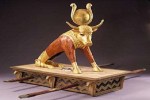 calves and altars to ourselves and we have made these doctrines as mighty ones. After I finished sharing that bold message to these hundreds of people my whole body began to shake and my knees began to buckle. I was weeping profusely and I fell prostrate upon the ground and with a loud cry came forth, “Oh King of Yisrael bring us home!!!” As I lay there yelling out and profusely weeping, the hundreds of people in that place began to do the same. We were all identifying the sin of Jeroboam in our lives. The hundreds in that place were now all prostrate on the floor crying out in unison with weeping and travail, “Oh King of Yisrael bring us home!!” My body was quaking and I was weeping throughout the vision and then at the end was a sense of calm assurance, tranquility, that He heard our cry.
All of us in that room knew heaven touched earth in that place. We all knew it was time to prepare for our journey. He heard us and was taking us home.
What particularly struck me was that in recent days, I have again been thinking of the sin of Jeroboam. While this is a topic we have discussed before, I think it is something we need to revisit, particularly in light of Tzefanyah’s vision.
Most of Christendom does not know or realize that the way the faith is currently practiced is not the way it has always been. Indeed, very little has changed in the last 1500 or so years, but a great deal changed between about 150 CE and 500 CE. Even a cursory reading of the book of Acts reveals Continue reading →
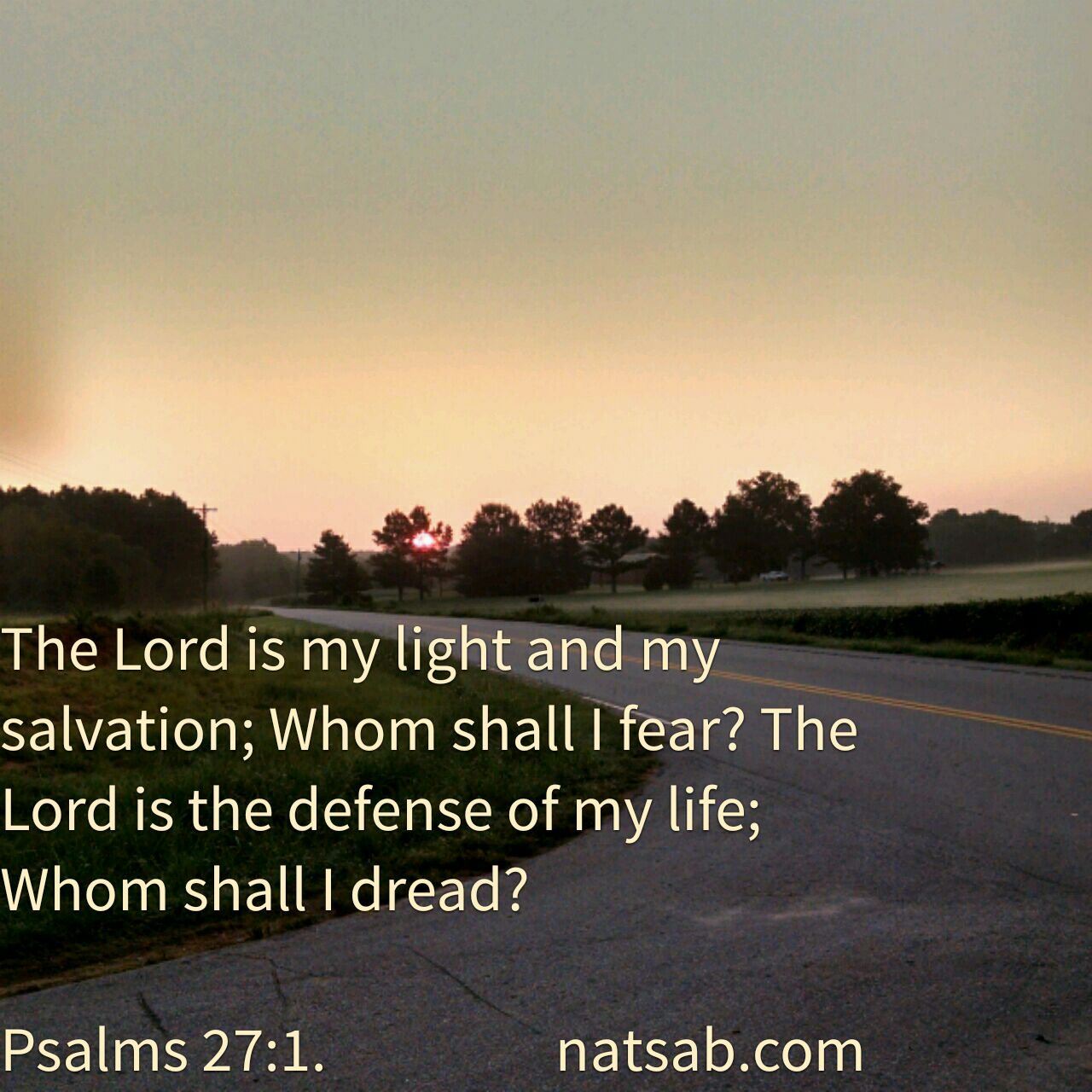 Interestingly, one of the reasons this Psalm was selected millennia ago by the rabbis for preparation for the Fall Feasts is because there is an allusion to each of the feasts in the Psalm. The first phrase of the Psalm contains two of the three allusions.